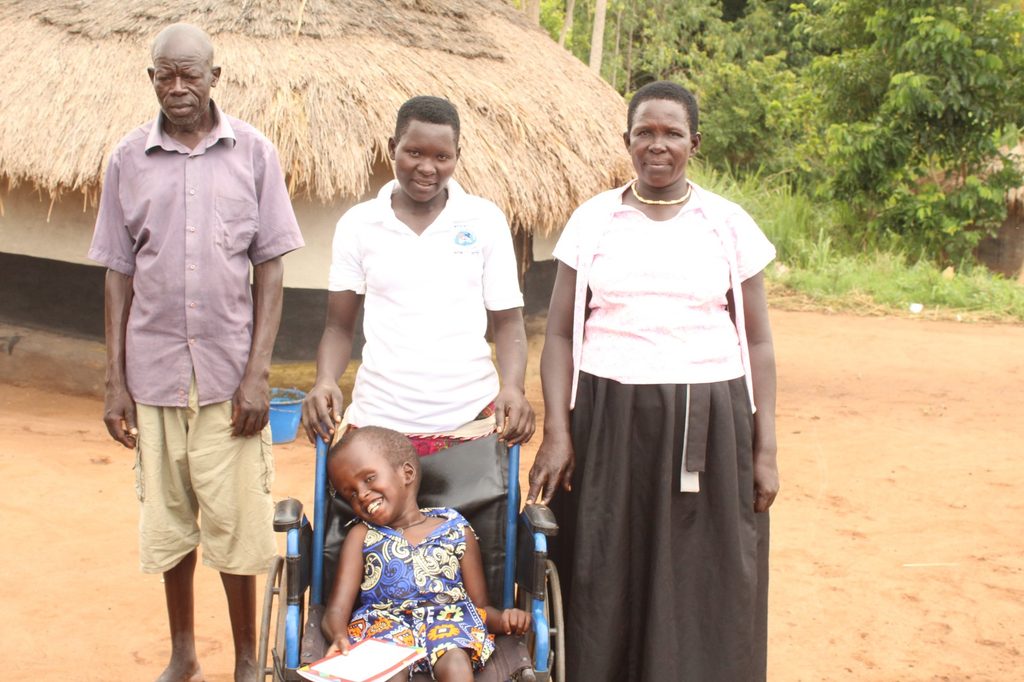
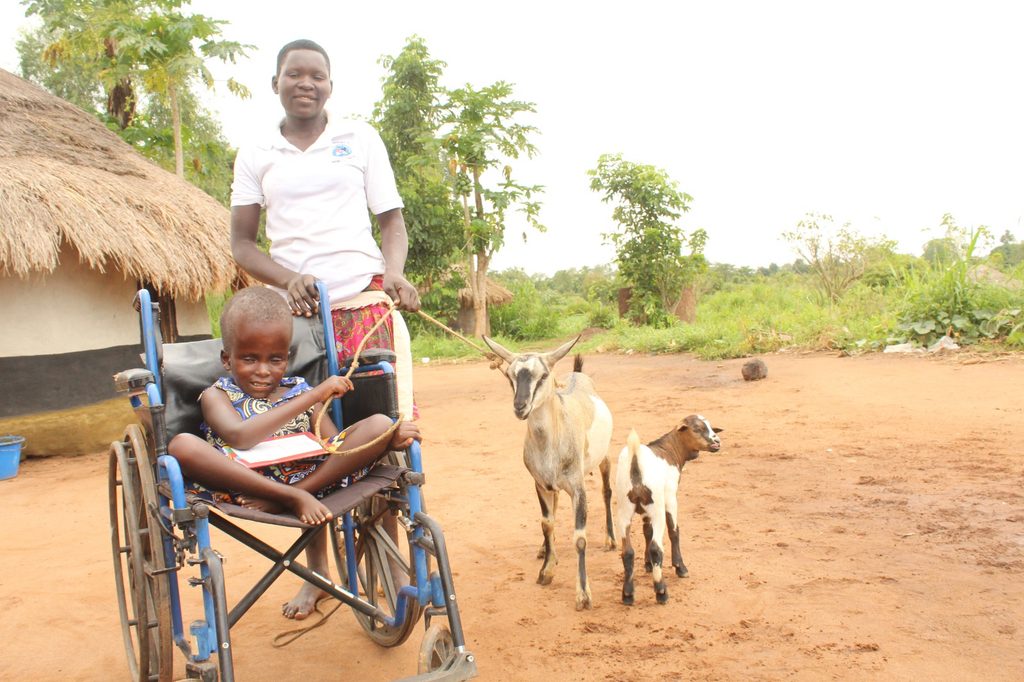
Akot Delish (in the middle) is 25 years old and lives in Amato Oroma Cell, Alibi Parish, Aleka Sub-county, Oyam District. She is a member of the Ongwalo Onotte VSLA group, where she has found not only an opportunity to improve her livelihood but also a supportive community that has helped her regain confidence and hope.
Delish became a mother at the age of 15 in 2016. At first, she and her husband lived happily with their firstborn son, Emmanuel Ojok. However, when Emmanuel began experiencing developmental challenges associated with a disability, her life changed dramatically.
Instead of receiving support, Delish was blamed for her child’s disability. Her husband and some family members rejected her and accused her family of being responsible for having a child with a disability. They went as far as taking back the dowry that had been paid for her marriage through a local process.
As a young mother, Delish struggled to understand what to do next. She faced stigma, rejection, financial difficulties and emotional distress while caring for her son.
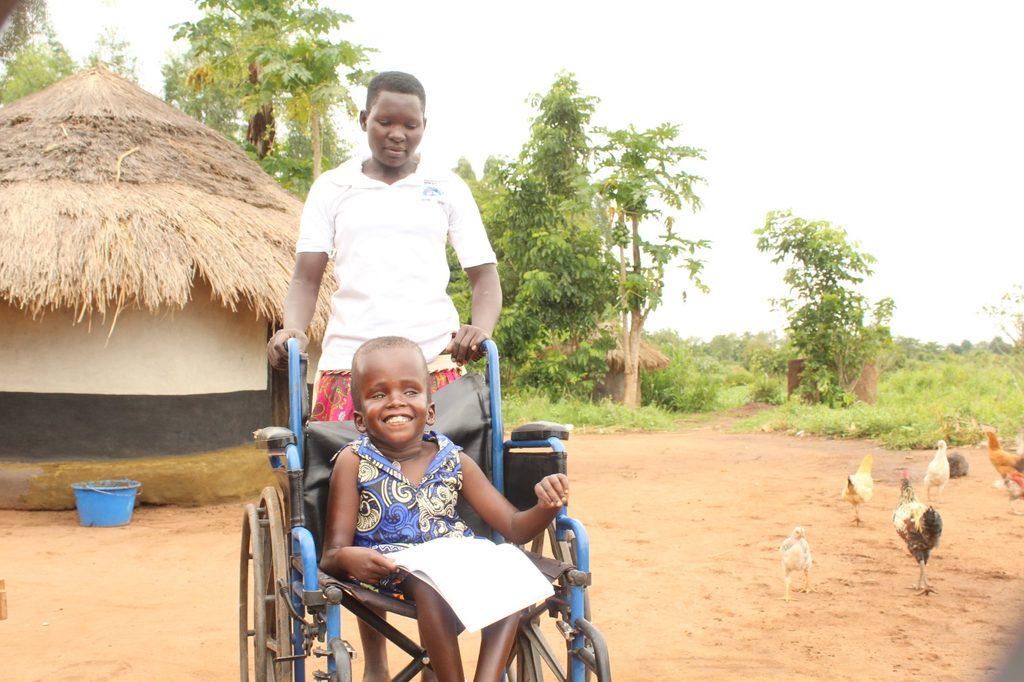
In 2021, Delish’s life began to change when Community Focus International (CFI) provided Emmanuel with a wheelchair. The wheelchair improved his mobility and helped reduce some of the difficulties the family faced.
CFI also encouraged Delish to join a VSLA group. She joined Ongwalo Onotte VSLA, where she discovered something important: she was not alone.
Through the group, Delish met other women who listened to her, encouraged her and shared ideas on how she could improve her family’s livelihood. The group became a source of emotional and social support at a time when she needed it most.
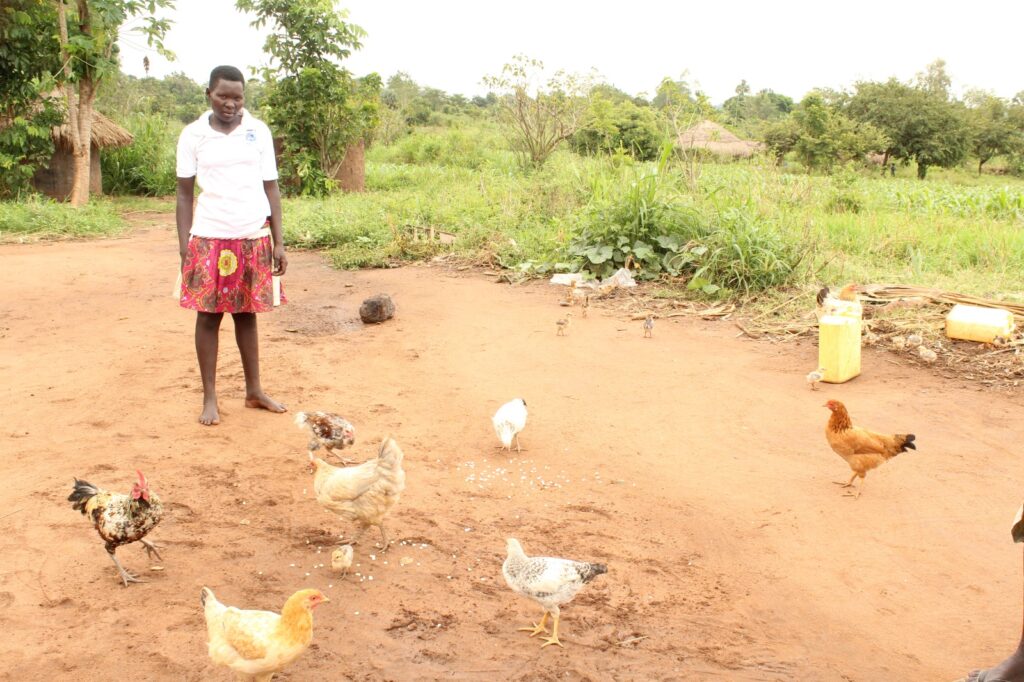
Through training on financial management and enterprise selection, Delish gained confidence to start a small business. She borrowed UGX 50,000 from the CFI revolving fund and bought four hens.
The investment gradually grew. Her four hens multiplied, and she eventually had 28 birds.
She sold five birds for UGX 125,000, which she used to purchase a goat. The goat has since reproduced, while her poultry project has continued to grow.
The income from her livestock now helps Delish meet some of her family’s daily needs. She uses the proceeds to buy food, feed the animals, contribute towards medical expenses when her son or she becomes sick, and pay for transport when taking Emmanuel for medical reviews. She has also used income from the poultry project to repay her loan.
Delish’s experience the harmful effects of cultural beliefs and stigma surrounding disability.
When Emmanuel was born with a disability, instead of being supported, Delish was rejected and blamed. Such attitudes can leave young mothers and families of children with disabilities isolated, ashamed and economically vulnerable.
Her story demonstrates why communities must challenge the belief that disability is caused by a family’s bloodline, wrongdoing or other cultural explanations that lead to blame and discrimination.
“Children with disabilities deserve love, protection, education and equal opportunities not rejection. Their parents deserve support, not blame.”
Delish’s story also challenges gender stereotypes. As a teenage mother and later a single mother caring for a child with a disability, she could easily have been viewed only as someone needing assistance.
Instead, through access to a wheelchair, a VSLA, financial education and a small revolving loan, she became an active economic actor.
She made her own investment decisions, managed livestock, repaid her loan and built assets for her family. Her journey shows that young women, including young mothers and women caring for children with disabilities, can build sustainable livelihoods when they are given opportunities and trusted to make decisions.
Today, Delish says she is happier and has regained hope. She is living peacefully with her son and has rebuilt relationships with her family members.
Her next dream is to take Emmanuel to a disability-inclusive school where he can receive the education and support he deserves. However, the lack of a nearby disability unit school remains a major challenge for the family.
She also hopes to continue expanding her goat and poultry projects so that they can provide a stronger and more reliable source of income.
Delish’s journey from a rejected teenage mother who had lost hope to a confident young woman managing a growing livelihood is a powerful reminder that inclusion can change lives.
Her story calls on communities to reject stigma, challenge harmful cultural beliefs, support young mothers and recognize persons with disabilities as people with rights, abilities and potential.
“With the right support, a small opportunity can become a pathway to dignity, resilience and independence.”