CFI’s Health and WASH work has been delivered through two completed, multi-year projects, HANA and Safe and Inclusive Cities, reaching communities across Northern Uganda and Kampala with integrated health, nutrition, WASH, and youth safety services.
Previous Projects: HANA and SAIC have both concluded their funded implementation periods (2025). They’re presented here as part of CFI’s track record in health, nutrition, WASH, and youth safety programming.
Though delivered separately, HANA and SAIC shared a common thread: improving access to health, WASH, and protection services for the people most excluded from them, including persons with disabilities, adolescents, and vulnerable youth.
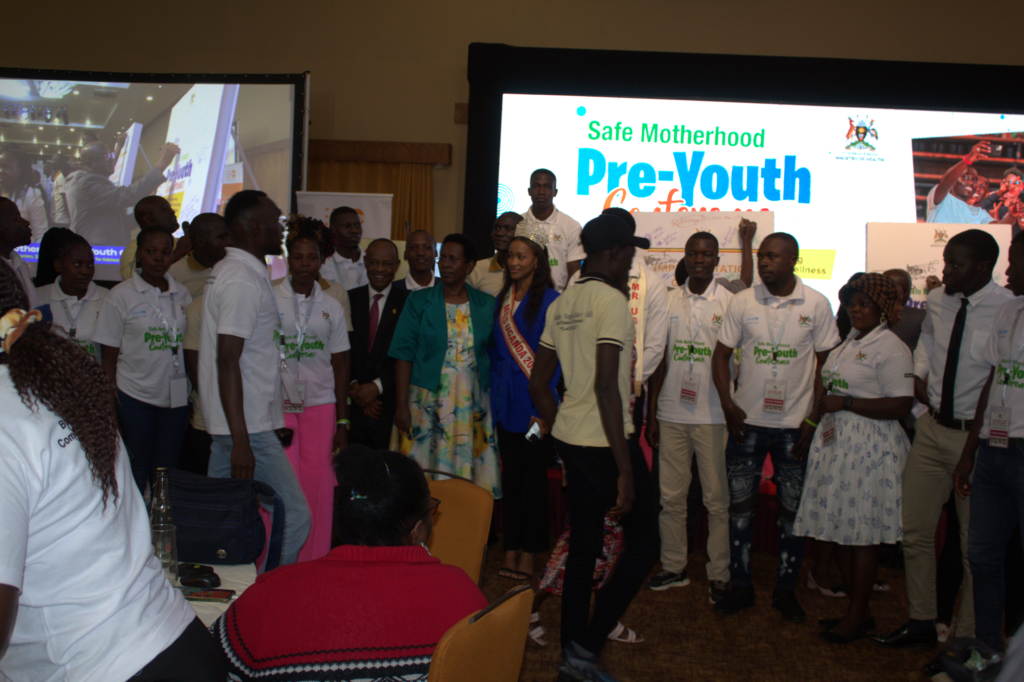
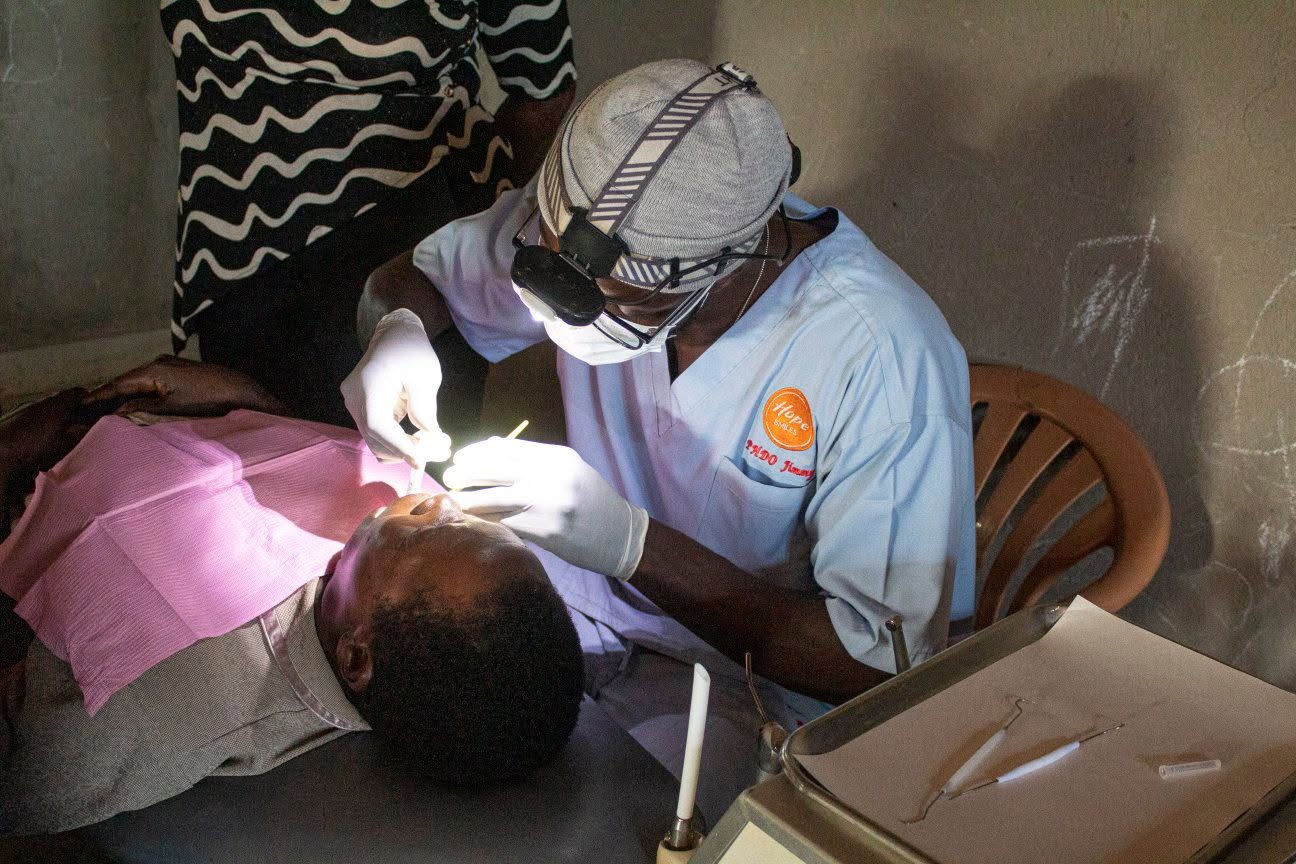
A four-year initiative across seven sub-counties, focused on nutrition, health, WASH, and disability inclusion. CFI, as a DPO, implemented Outcome 32.0: improving access to inclusive quality health and WASH services, with a focus on sexual and reproductive health.
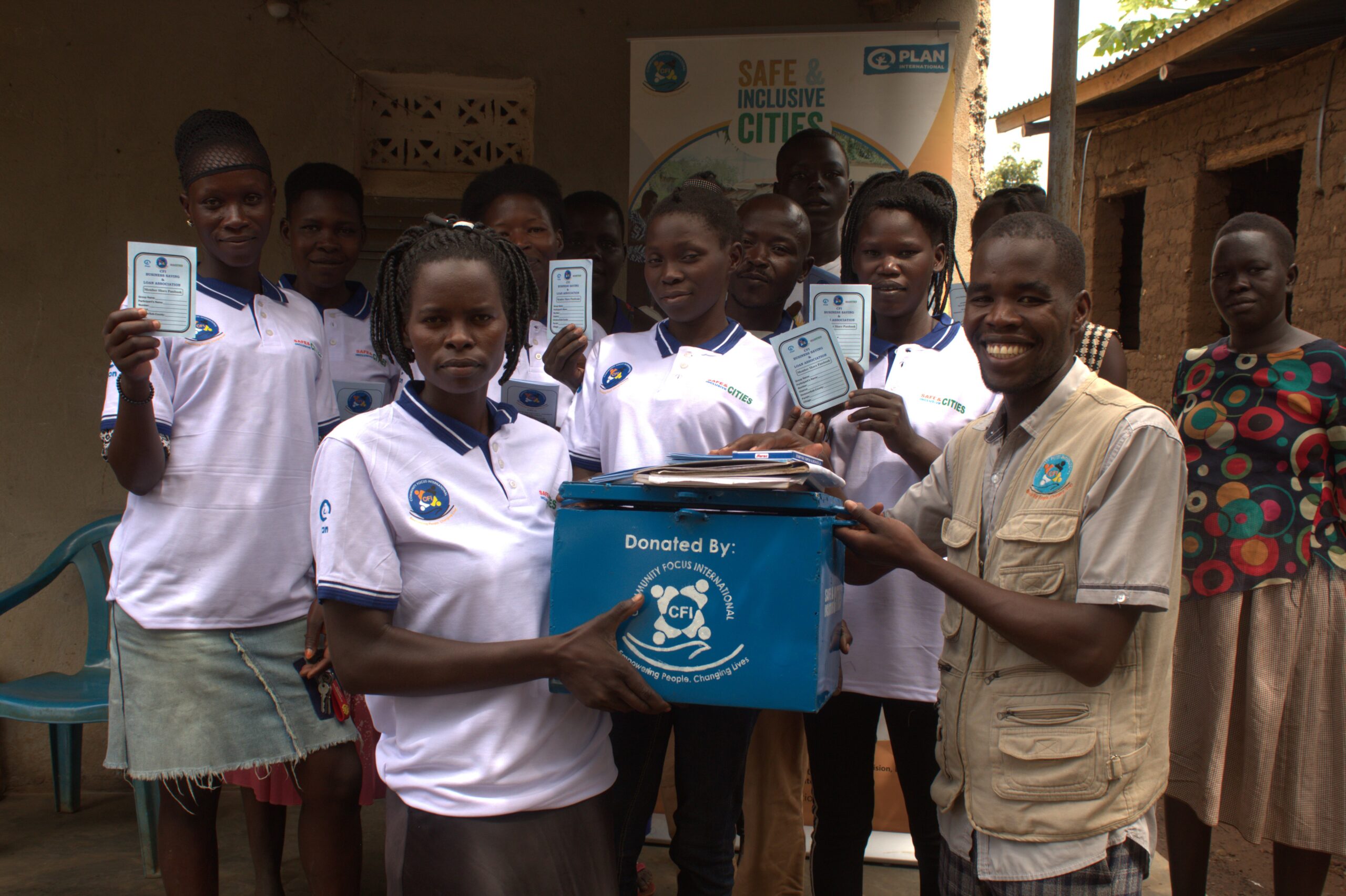
A four-year project funded by the Danish Government, delivered with Plan International Uganda, ACTogether, GLOFORD Uganda, KIFAD, and Touch the Slum, supporting vulnerable youth aged 14–30 across 20 wards through peer-led safety and SRH programming.
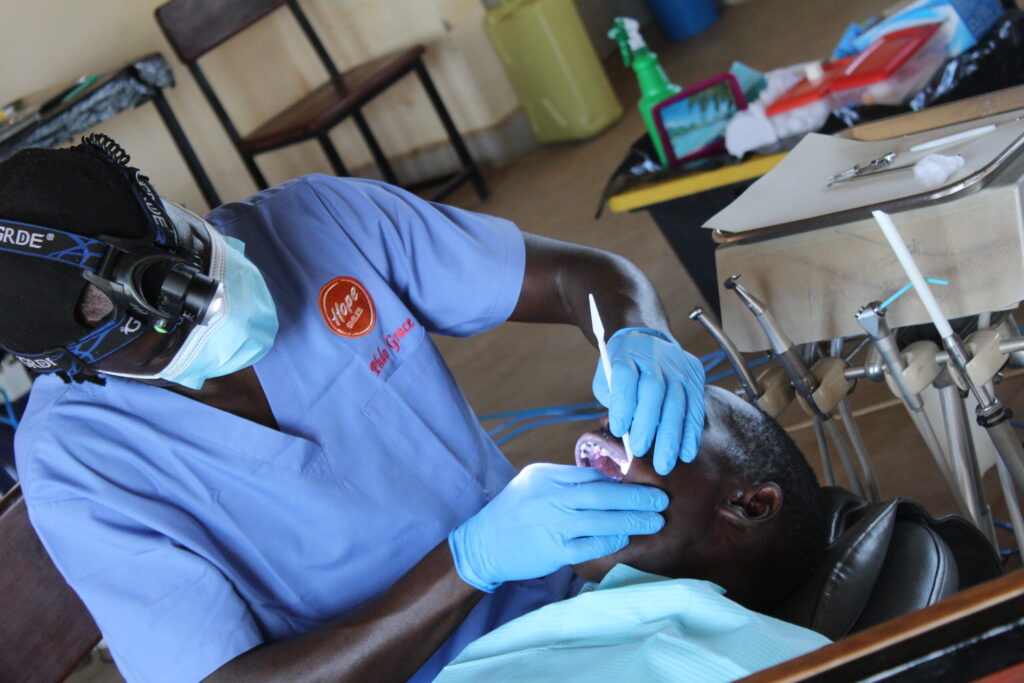
Targeting 127,341 individuals across Omoro, Oyam, and Pader to reduce preventable illness, impairment, and death through improved, inclusive access to health and nutrition services.
HANA Outcomes
What changed for participants
A set of complementary activities, each targeting a different barrier to health and inclusion
Delivered in 14 partner schools, including Iceme P/S, Lakwana Seed SS, St. Thomas More SS, and Paula SS, covering hygiene, nutrition, mental wellbeing, and self-worth.
Football clubs across the three districts use the game as a platform for health education, behaviour change, and community belonging.
Adolescent peer groups in Bobi, Odek, Lakwana, Lalogi, Iceme, Ngai, Pajule, and Otok save, plan, and invest, with PWDs included in every group.
16 groups of 45 members each trained in exercise book making, with start-up kits provided to every group.
79 children with physical disability were given wheelchairs or cerebral palsy (CP) chairs through the project.
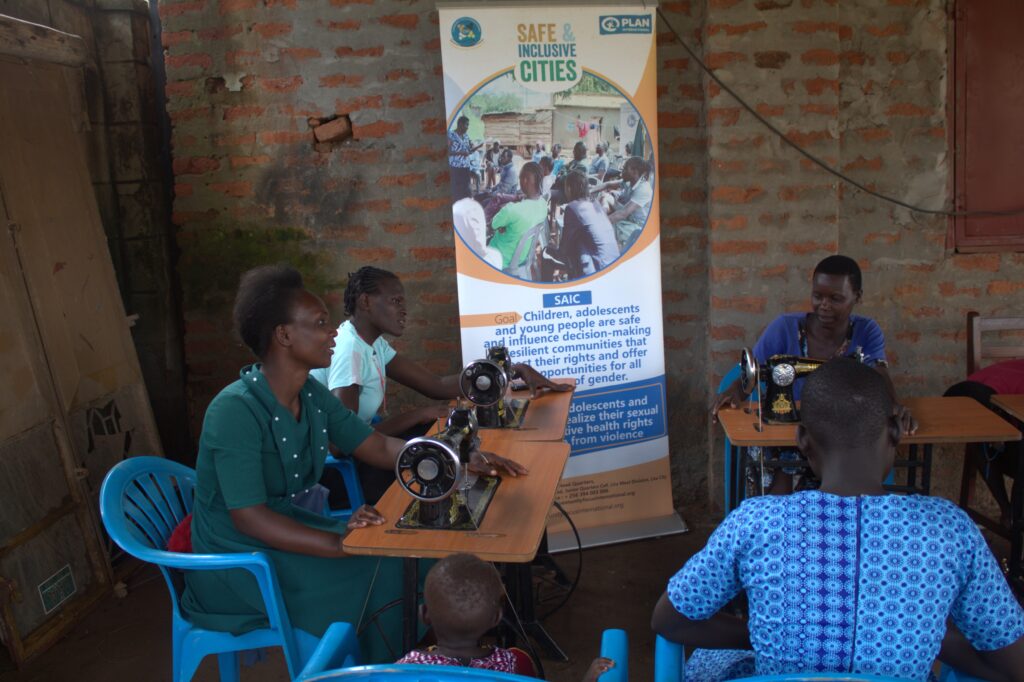
Delivered across 20 wards in Kampala, Wakiso, and Lira City, supporting vulnerable youth aged 14–30, including those in commercial sex work, drug abuse, street living, and refugee communities.
SAIC Outcomes
What changed for participants
Weekly sessions in existing youth clubs and convergence centres across 15 groups, reaching 750 young people with SRH knowledge and referral pathways.
10 trained champions engaged men at bodaboda stages, workshops, and social spots, reaching over 757 men through conversations on gender equality and respectful relationships.
Awareness sessions with taxi, boda boda, and bus operators across Bazzar, Barogole, and Kakooge wards, reaching 1,958 participants on SGBV and crime in public transport.
Weekly rehabilitation sessions with 80 youth engaged in anti-social survival activities, linking participants to employers and apprenticeship programmes.
79 children with physical disability were given wheelchairs or cerebral palsy (CP) chairs through the project.
See how it connects to our other programs in education, health, and livelihoods work, or review our impact since 2017.
© Copyright 2026 Community Focus International | Developed by Starling Technologies Ltd