According to the Uganda Disability Survey (UDS) 2025 conducted by the Uganda Bureau of Statistics, the Lango sub-region in northern Uganda recorded the highest disability prevalence rate in the country at 17.4%, with walking disability as the most common impairment. This stark reality shaped by two decades of war and rising rates of chronic illness is what CFI has responded to since its founding in 2017. 72% of persons with disabilities in northern Uganda live in chronic poverty. CFI works to change that, one person at a time.
The figures above tell us how far our programs reach. These stories, in the words of learners, parents, and community members, tell us what that reach means up close
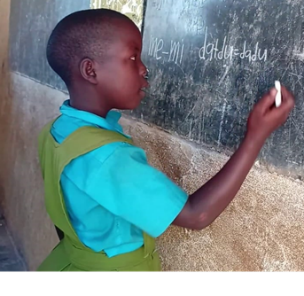
Ten-year-old Acam Flavia stood quietly at the front of the classroom, holding a piece of chalk in her small trembling hand. Just a few months ago, she would have avoided such a moment, afraid of making mistakes and being laughed at reading and forming words had always been difficult for her.
With the guidance of her TaRL teacher, Acam slowly wrote “da – du = dadu” on the blackboard, then turned to the class and confidently explained what the word meant. Her classmates clapped and cheered, amazed at her progress.
“She used to struggle with letter sounds and word formation, but now she can confidently combine vowels and consonants and even read simple paragraphs. This is a big step in her learning journey.” Acam’s teacher
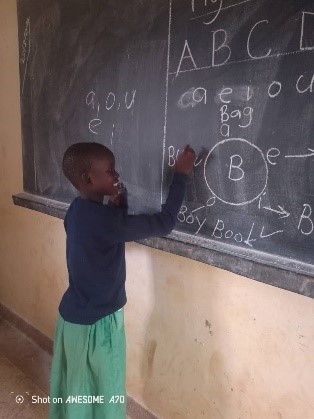
At baseline, Blessing could not identify letters and rarely attempted to respond to questions. Like many learners at that stage, she appeared uncertain and hesitant to engage that silence has now started to fade.
With consistent exposure to TaRL’s structured, play-based approach, Blessing can now identify letters, form simple words, and read short sentences with growing confidence. She is no longer struggling in isolation; she is actively engaging with learning tasks.
As she moves into her next 30 hours of TaRL sessions, Blessing’s journey reflects the heart of the approach: when teaching meets learners at the right level, confidence grows and learning becomes possible for every child.
At the start of the TaRL intervention in February 2026, Sadrack struggled to recognize simple words and often remained silent when asked to participate. Reading felt unfamiliar, and he would pause for long moments before attempting an answer.
Through consistent support using play-based learning and targeted instruction at his level, Sadrack has begun to unlock the world of reading. He can now recognize and read multiple words independently, responding faster and engaging without fear of making mistakes.
As he moves into his next 30 additional TaRL sessions, Sadrack is beginning to experience what learning feels like when it is accessible, supportive, and tailored to his level.
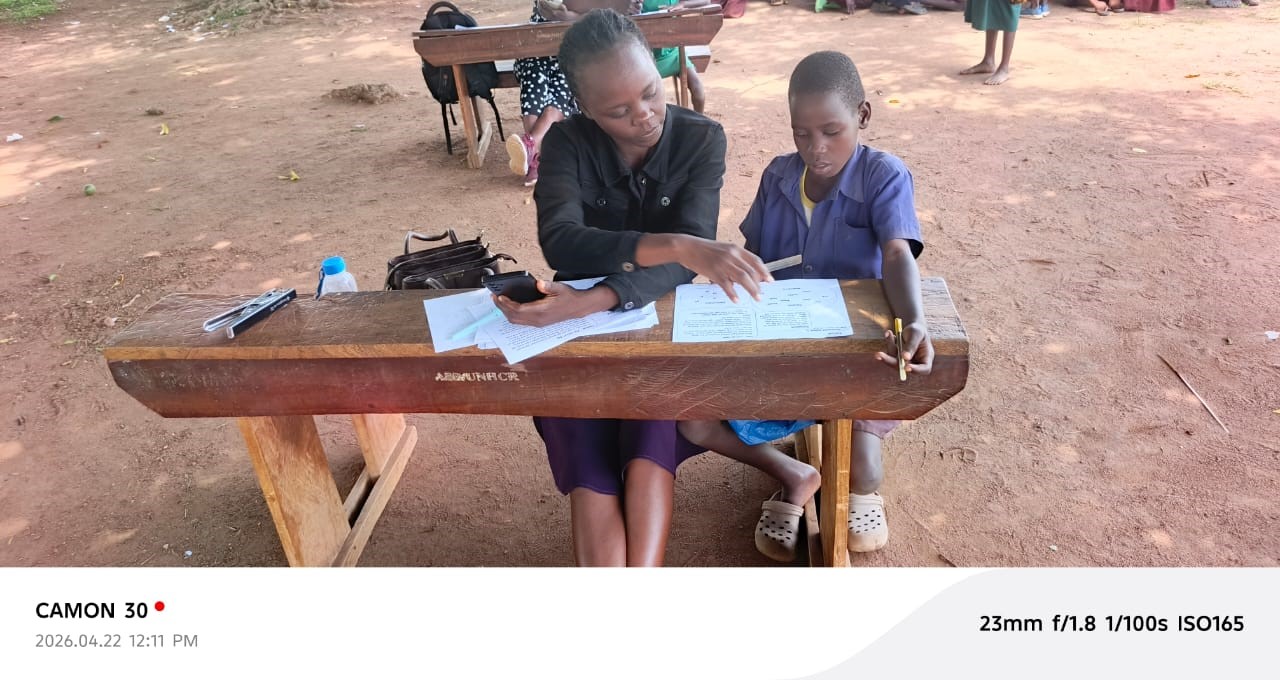
When ECCD started in Otwal, many parents, including Grace Akello, a mother of three, were unsure what impact it would have on her children. Her youngest daughter, Abigail, was shy, often kept to herself, and struggled with speech — Grace worried she would fall behind other children by the time she reached primary school.
Out of curiosity and hope, Grace enrolled Abigail at Amukugugu ECCD centre. Within a few months, she began to notice remarkable changes: Abigail started singing songs she had learned in class, identifying colours and shapes, and making new friends.
“I recall with joy the first time Abigail confidently recited the alphabet at home something I never imagined would happen.” Grace Akello
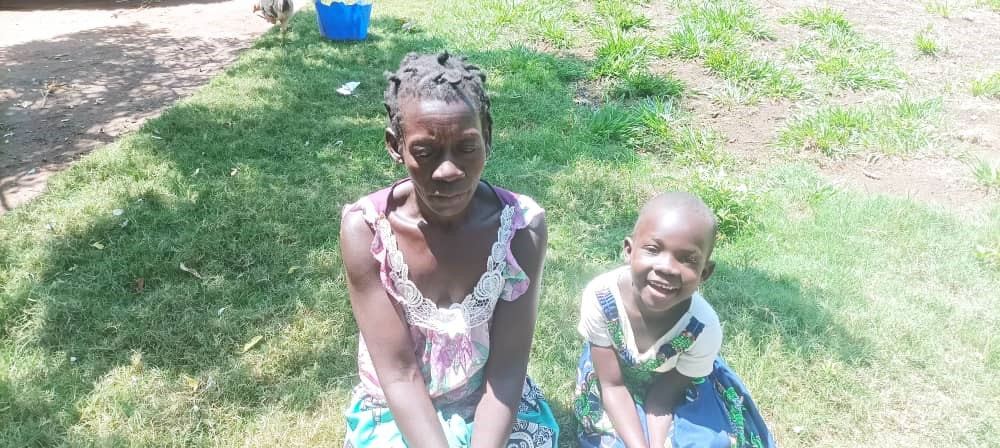
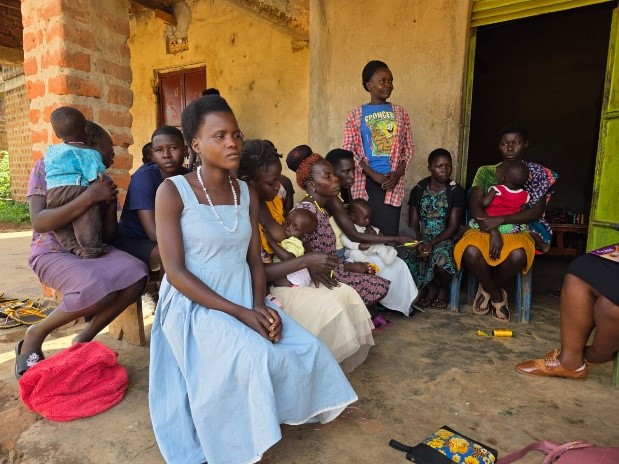
Cinderella had dropped out of school due to financial challenges at home. With limited opportunities, she spent most of her days doing housework and helping in the garden but deep inside, she longed to do something meaningful that could support her family and restore her confidence.
When she heard about the group CFI was forming, she joined and started saving and borrowing with her group members. Her turning point came when craft shoe making was introduced: she struggled at first with measuring, cutting, designing, and polishing, but with encouragement from her trainer and friends, she slowly gained the skills.
“My dream of having some hands-on skills became true.” Cinderella
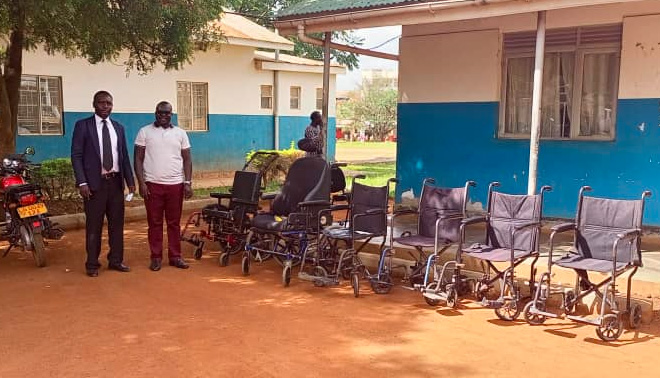
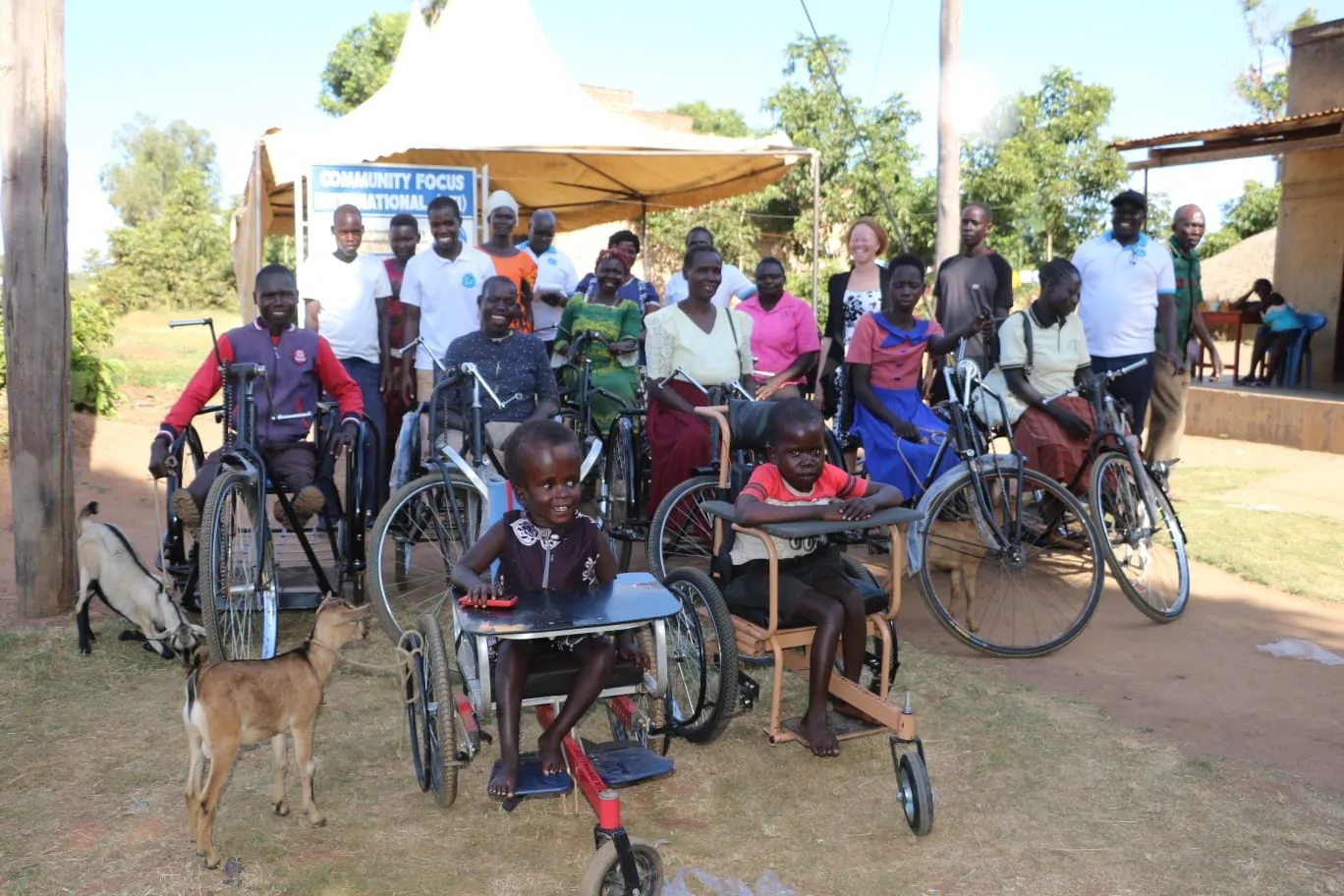
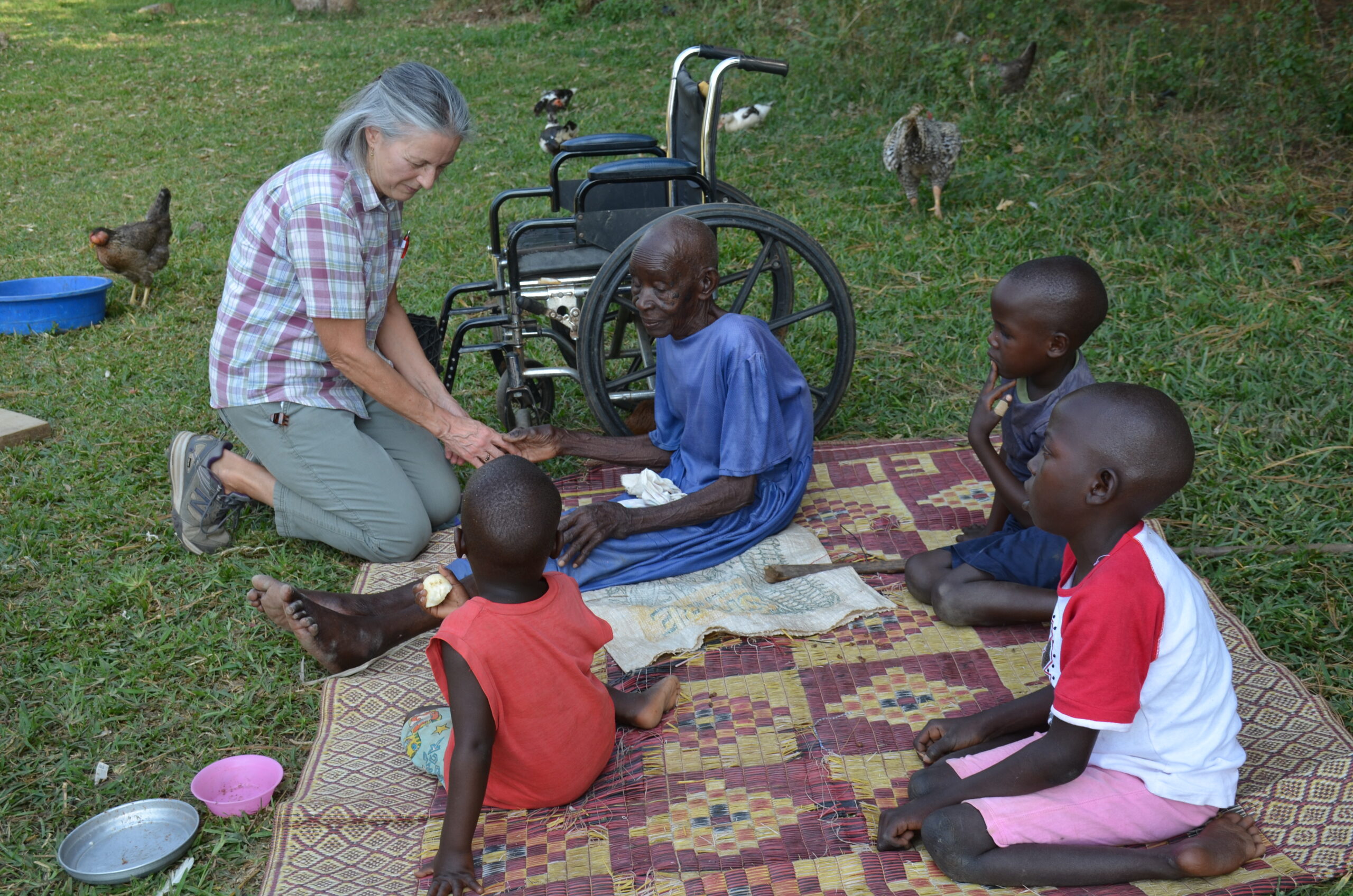
Custom-fabricated wheelchairs, tricycles, CP chairs, and prosthetics have supported independent mobility since 2017 across Oyam, Lira, Kole, Omoro, and Lira City.
Reading glasses have restored near vision for individuals across Northern Uganda since 2017, delivered in partnership with Global Vision 2020
Teaching at the Right Level catch-up classes have improved literacy and numeracy for grade 3–5 learners in Abunga, Otwal, and Anyomolyec primary schools
School gardens across five primary schools in Lira and Oyam districts, including Angolo, Otwal, Ader, and Omele, now provide daily meals that improve attendance
Village Savings and Loan groups, including HANA, disability-inclusive CFI, and SAIC groups, are growing collective savings year on year across Oyam, Omoro, & Lira District
Clothing and household essentials collected from the local community have been distributed to the most vulnerable persons with disabilities across Northern Uganda
Peer educators, VHT outreach, and youth-friendly health spaces have empowered adolescents aged 10–24 with SRHR knowledge across Oyam, Pader, and Omoro districts
The Safe and Inclusive Cities project has reached youth aged 14–30, including urban refugees, teen parents, and street-connected youth across Lira City
| VSLA Group | Male | Female | PWD | Total |
|---|---|---|---|---|
| Atek Ilwak | 8 | 48 | 11 | 56 |
| Par pi diki | 7 | 24 | 19 | 31 |
| Ongwalo note | 17 | 15 | 19 | 30 |
| Obanga twero | 9 | 10 | 8 | 19 |
| Ongwalo tute | 14 | 51 | 15 | 65 |
| Angwal pe nyutu goro | 9 | 23 | 6 | 32 |
| Total | 64 | 171 | 78 | 233 |
78 of 233 members (33%) are persons with disabilities. Women represent 73% of total membership. Figures above reflect this original cohort of 6 disability-inclusive VSLA groups in Oyam district; CFI’s VSLA network has since grown to 58 groups and 1,945+ members across Oyam, Omoro, and Lira District (see Socio-Economic Empowerment above).
CFI’s six active Village Savings and Loan Association groups in Oyam district are made up predominantly of persons with disabilities and their caregivers. What begins as modest collective savings grows measurably demonstrating the power of community-led financial inclusion.
CFI’s programs directly contribute to multiple United Nations Sustainable Development Goals, ensuring our work is grounded in a globally recognised framework for human development
A charity nonprofit organization advancing the rights, dignity, and well-being of Persons with Disabilities in Uganda and beyond.